
With the announcement earlier this week that Brighton and Hove Albion are planning Europe’s first stadium build exclusively for women’s soccer, there’s been discourse online around how women’s clubs that are formed as part of clubs that have been exclusively for men should be treated.

Some argue that if the men have top-rate facilities, that the women should use those as equal partners with the men’s teams and save the club the costs of building and running a separate stadium, training facilities, etc. Many, if not most women’s teams around the world are in this situation, often scheduling home games when the men’s team is away and using the gym and training facilities on off hours. Stadiums alone are expensive prospects (the BBC reports that the BHA stadium will run between £75-80 million) to build, and when you factor in the costs to run and maintain these facilities it can add up quickly. Yearly taxes to municipal governments, electricity costs for night games, costs to keep the pitch in good condition, constant upkeep costs, etc. can put even the most well-run club under financial strain if not managed correctly.
Then there’s also the expected costs of upgrading the stadium. Most women’s stadiums hold 12,000 or less, but as the popularity and profitability of women’s soccer continues to increase, these stadiums will need more space for fans to park, to sit, and to enjoy before, during, and after a match. An existing stadium that seats 50-60,000 negates that massive cost, even if good-sized crowds are often swallowed whole by these behemoths. Atmosphere definitely suffers in stadiums that are only a quarter full (or less), and that is only amplified on television
Others however argue that women should have their own facilities, completely separate from the men. While this does incur a massive cost, it also allows the women’s teams to have complete control over scheduling matches, trainings, gym and recovery time as well as retain all receipts from matchday revenue like tickets, concessions, and parking. It also allows the women’s team to make the space their own and develop their own sporting culture, separate from whatever bad habits the men’s side may or may not have. Obviously in any well-run organization there’s a free exchange of ideas and resources, but being able to pick and choose what ideas get through into a separate sporting culture is an advantage.
Personally, I think this should be the standard when economically feasible. I understand that some organizations simply don’t have the resources to build completely separate facilities. Clubs in lower divisions and even smaller clubs in large, expensive markets may find it financially irresponsible to try to purchase enough land in an expensive city, build brand new facilities, incur high taxes and operating costs, etc. if they’re already struggling to break even. But for the world’s mega-rich clubs, hopefully we’re entering an era where it’ll be seen as gauche to not have separate, world class facilities for their women’s club.
México
The semifinals are set, with Rayadas, América, Toluca, and Pachuca advancing. The away legs were good affairs, with the Cruz Azul-Rayadas and Juárez-América matches ending in a tie and lower seeds Chivas and Toluca each gaining a goal lead. But Rayadas thrashed La Máquina 4-0 in the return leg and América being the benefactor of what was in this writer’s (not so) humble opinion a soft red card to eke out a 3-2 win on Saturday. On Sunday, Toluca held Tigres in check, winning the match 2-1 and becoming just the ninth lower-seeded club to advance in Liga MX Femenil history. Then in the late game, Pachuca scored two to put themselves past Chivas 3-2 on aggregate.
As soon as the semifinal schedule is released by the league, I’ll make sure to put a how-to-watch guide together.
Thank you for reading Golazo del Gringo! If you enjoyed reading this post, please share it with anyone who enjoys women’s soccer. Also, please click on the links and show these other outlets some love.
Rest of the World
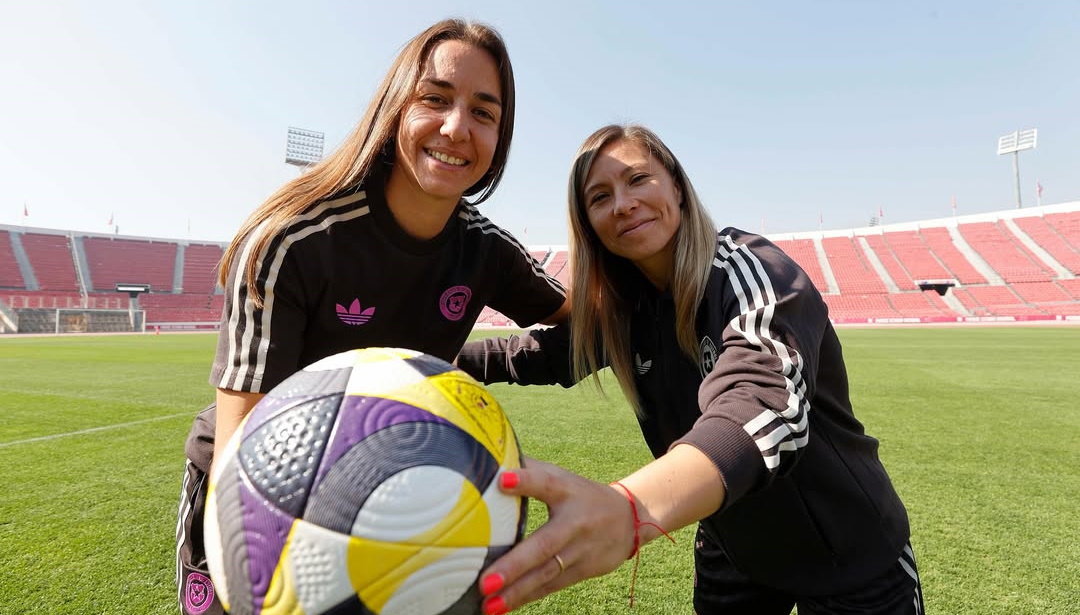
The Chilean Ministry of Sports and Chilean Football Federation (ANFP) announced that La Roja Femenina will return to Estadio Nacional in Santiago when they host Ecuador on June 5 in CONMEBOL Nations League play.
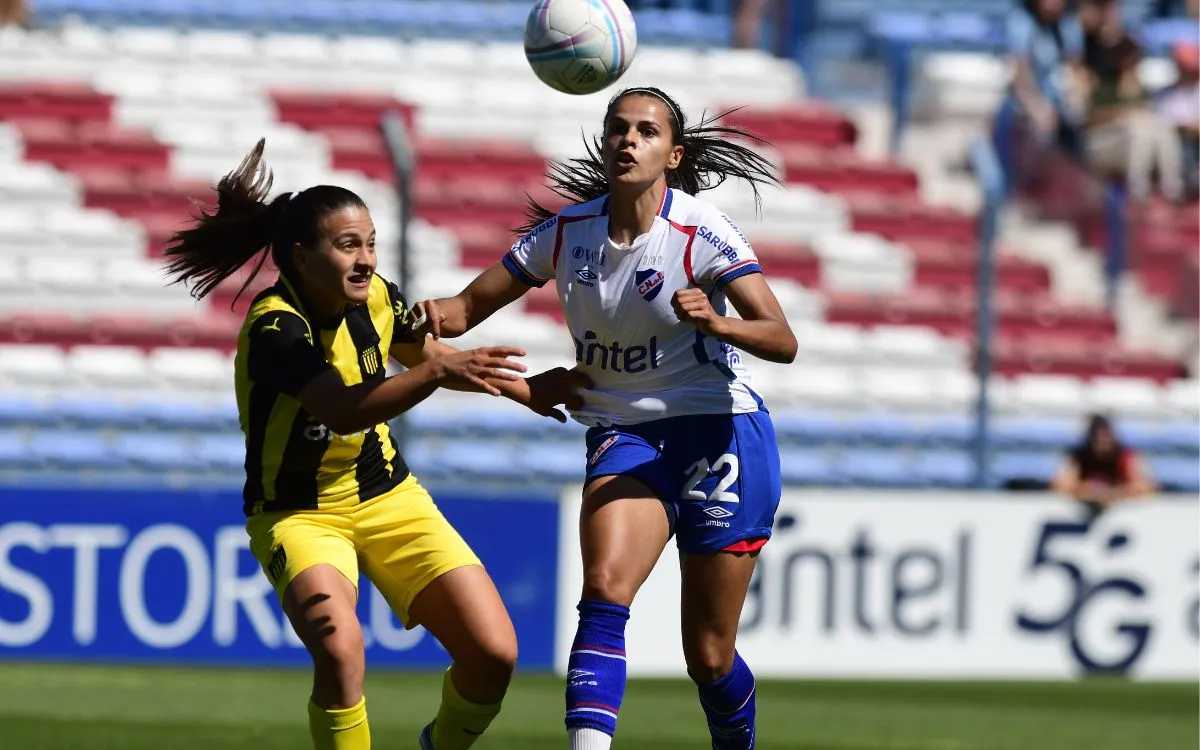
The Campeonato Uruguaya Femenina starts this coming weekend, and the schedule is set to drop today (Monday, May 4). Peñarol and Nacional have won eight of the last nine championships, with the lone outlier being Defensor Sporting’s win in 2021. And the last time the Final didn’t feature one of the two eternal rivals was back in 2012, when Cerro lifted their only trophy.
The proposed switch of the NWSL calendar from spring-to-fall to fall-to-spring has apparently been mothballed for now.

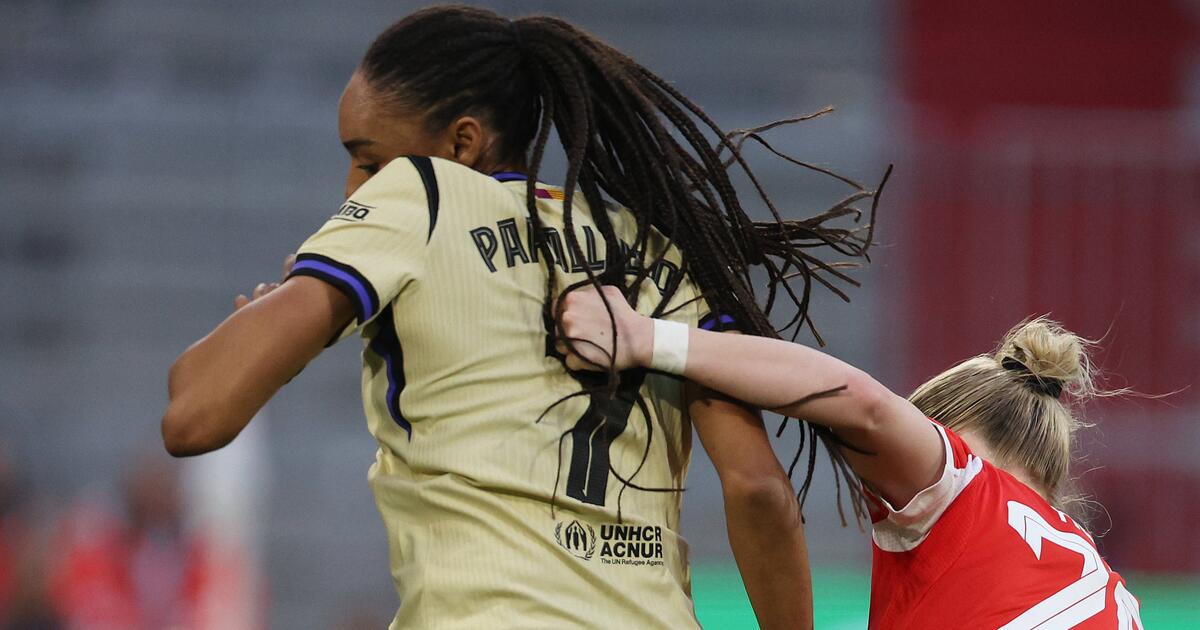
Mara Pfeiffer wrote a great column for web.de about the racial implications of Bayern Munich’s Franziska Kett pulling Salma Paralluelo’s hair in the UEFA Champions League semifinals.
Barcelona beat Bayern and OL Lyonnes beat Arsenal and will meet in the Final on May 23.
Zambian side Zesco Ndola mourns the death of player Gift Theresa Musalila. My condolences to her family, friends, and teammates. (h/t Karl Rothwell of Woso World)

Nigeria goalkeeper Chiamaka Nnadozie weighs in on the situation with WAFCON being delayed at the last minute. Great read as always from The Guardian.

INAC Kobe Leonessa won the WE League, the top league in Japanese woso.
Speaking of Japan, the 2012 soccer anime Galaxy Kickoff! is now on Crunchyroll. Listen, anime isn’t really my bag. But I know plenty of y’all love it so hopefully this is a public service announcement of some sort.
A-League Women’s side Canberra United is still in limbo, as the only standalone women’s club in Australia is in danger of winding down as the ownership situation is unraveling.

The Brazilian Câmara (Chamber of Deputies, similar to House of Representatives in the US or parliament in countries with a parliamentary system of government) has authorized a payment of R$500K (~$100K USD) to30 players who represented Brazil in the 1988 FIFA Women's Invitation Tournament and the 1991 FIFA Women’s World Cup.
FIFA approved amendments to its Governance Regulations, one of which allows the AFghanistan Women’s National Team to be recognized and play official matches while in exile.
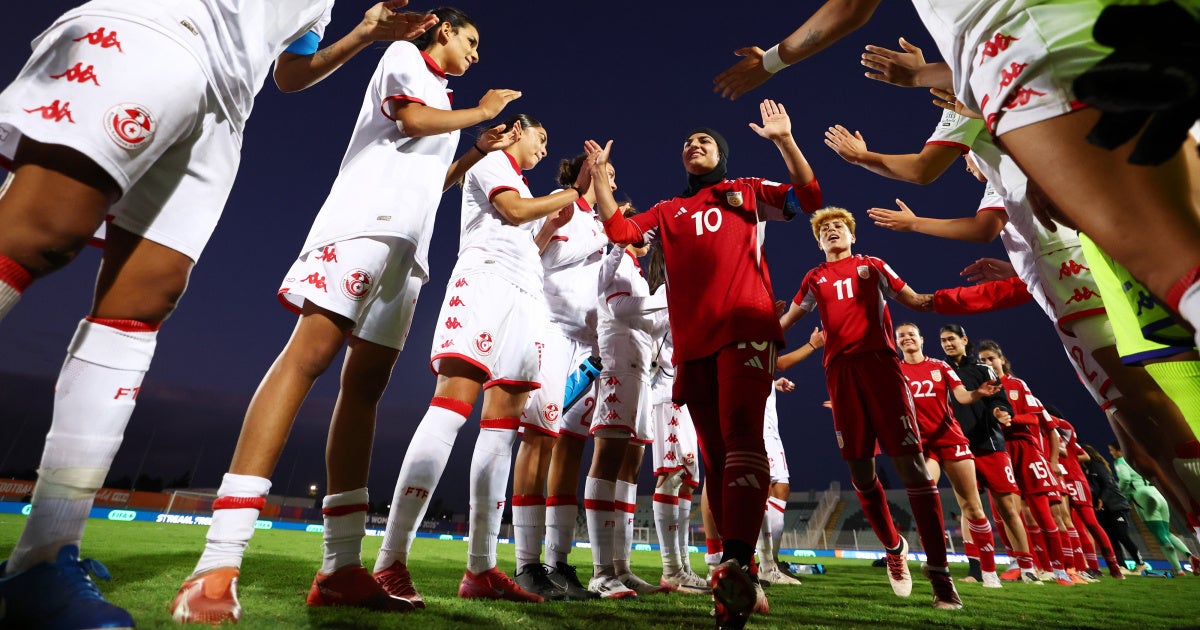
Don’t ever let them tell you no one pays attention to women’s soccer.
If you have something that should be included in this segment, please reach out to me via bluesky or email me at [email protected].
Lead photo courtesy of CPKC Stadium
