
This past summer I had the privilege of going to Houston for the Gold Cup Final for work. I was part of the team that designed and ran the CONCACAF activation that unveiled Volar, the confederation’s new mascot. As part of the festivities, I got to at least partially live out a boyhood dream of being Phil Pritchard, the man whose sole job it is to shepherd the National Hockey League’s Stanley Cup around the world. I didn’t get to actually take the Gold Cup more than a few feet from its case to the display podium, but I did get to stand next to it and tell people a little bit about the cup and ensure no one touched it. Or at least tried to ensure no one touched it. A woman in a United States kit put her hands on it about 10 minutes in, and while I’m not superstitious, I’m also not not blaming her for the US loss.

Yours truly with the Gold Cup prior to the match. Mira, pero no toques. | PHOTO: Eugene Rupiński
I’m getting off topic however. This was in July in Houston. Growing up in Central Florida, I was prepared for the heat and humidity. At least I thought I was, but then 30 years of living in Delaware had thickened my blood considerably. Walking out of my hotel room, I was met with a wave of stagnant, wet air that stopped me dead in my tracks. It was like getting hit with a wet wool blanket, furthering my resolve to never again live in places that are nauseatingly hot. Outside was worse. Standing in the heat was enough to sweat off multiple pounds; I couldn’t imagine trying to actually run for 90 seconds, let alone a full 90 minutes at a competitive level.
News broke last week that the National Women’s Soccer League in the United States is considering a vote on moving the playing calendar, which currently runs from March through November, to a Fall-to-Spring calendar that more closely aligns with the international calendar. This would be great to avoid dangerous situations like we saw in Kansas City last year when a lot of us learned about what wet bulb temperatures are during a Kansas City Current vs. Orlando Pride match that was delayed for about three-and-a-half hours because of the suffocating heat.
The flip side of this however is that instead of having to deal with dangerous heat, players will be forced to deal with winter temperatures and weather, which can be equally as dangerous. In 2019 I covered a CONCACAF Champions League game between Santos Laguna and New York Red Bulls. The match was in New Jersey in early March, and the temperature at kickoff at 8 PM was 29°F (-1.7°C) and with winds at 20 mph (32 kph) the wind chill was 16°F (-8.9°C). I also later learned that Santos nearly didn’t make it in time because the snowstorm the previous evening had shut down Newark airport for a bit and half of the team on a late flight didn’t get in until well into the overnight hours. The game was so cold that the Red Bulls comms staff went around to the press and have out hand warmers and foot warmers. Anecdotally, earlier this year where I live in Delaware the temperatures this winter didn’t go up to freezing for almost an entire month. This also seems like a very bad option for the best league in the world to try to showcase their athletes.
So what’s the answer? There are a couple of options that could work. One that seems to be popular is playing winter games in southern markets like San Diego, Houston, and Orlando and summer games in northern markets like Boston, Chicago, and New Jersey. This seems ok but puts a lot of the late-season games that hold a lot of sway in the playoffs in the northern markets, which may make it harder for sunshine belt teams to qualify in tough races. It also overlooks that it can get pretty cold in the US south in the winter and really hot in the US north in the summer. It’s a crapshoot when you’re playing in a league where the country is slightly smaller than the European continent.
Another option would be to stop looking toward Europe (and if we’re being honest, England specifically) and look closer to home. México and several other Latin American nations do a split season, Apertura and Clausura. In the Western Hemisphere, temperatures can swing to the extremes during the summer and winter months, making outside physical activity dangerous during parts of these seasons. These shortened seasons avoid most of the worst parts of the year for playing soccer, although it does overlap onto some of it. In México, the 2025 Apertura started in mid-July and ran through the beginning of November, with the Liguilla (playoffs) concluding in late November. The 2026 Clausura then started back up in the beginning of January and will go through the end of April, with the Liguilla then ending sometime near the end of May. This is the sort of thing that could work in the United States, missing a lot of the hottest and coldest parts of the year. If the NWSL doesn’t want to split its season, it could always break over the winter months like leagues in Germany, Switzerland, and other European nations do.
Just like the nations here in the West however, there are no one-size-fits-all options. What works perfectly in Orlando will not work as well in Boston, which will also differ from what works in Kansas City. We can however still work towards something that will work most of the time in most of the places in this wild continent, allowing us to continue to enjoy some of the best women’s soccer in the entire world.
México
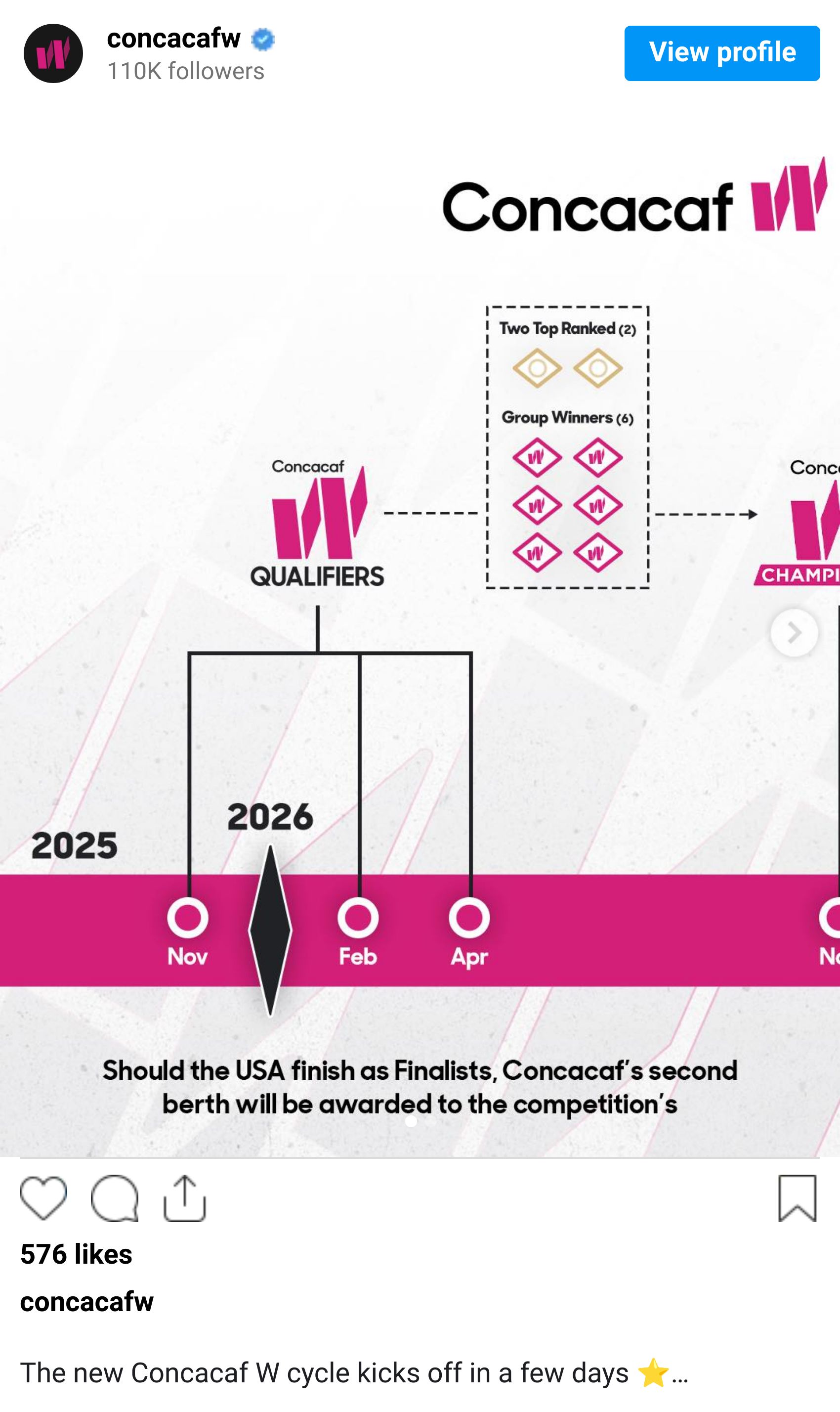
The México Women’s National Team qualified for the CONCACAF W Championship with a 6-0 thrashing of Puerto Rico last week. They’ll join their northern neighbors, Canada, Jamaica, Costa Rica, Haiti, Panama, and El Salvador in the tournament, facing off against Haiti in November. The winners of the quarterfinal round will automatically qualify for the 2027 World Cup, with play-ins for the two remaining World Cup spots. The top three teams will also qualify for the 2028 Summer Olympics.
Thank you for reading Golazo del Gringo! If you enjoyed reading this post, please share it with anyone who enjoys women’s soccer.
Rest of the World
Instead of the NWSL changing to be like the Women’s Super League, Guardian writer Suzy Wrack posits that the WSL should change their schedule to mirror the NWSL (and escape the constraints of the men’s game).

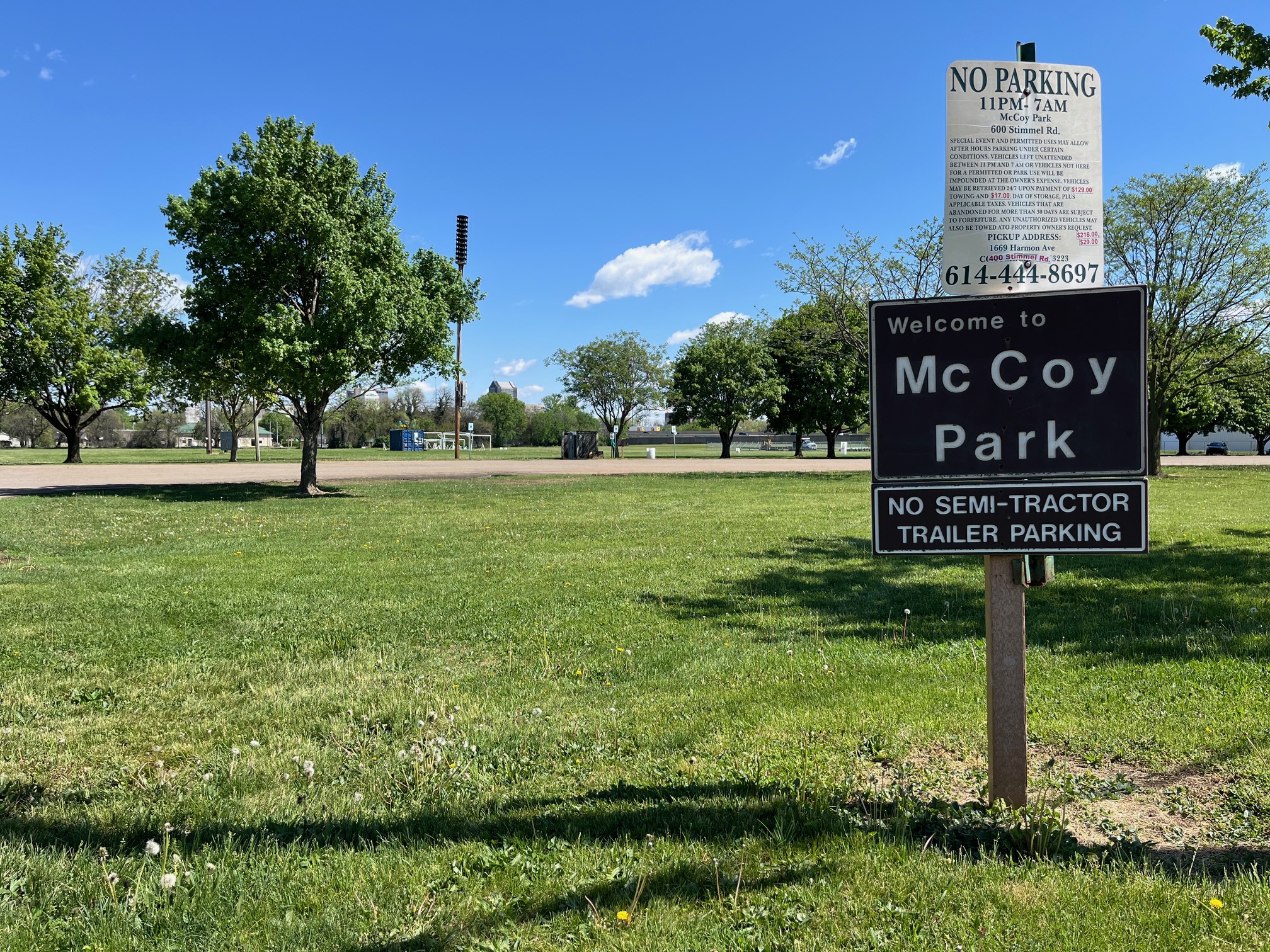
The City Council in Columbus, Ohio is set to vote “on an agreement that would formalize the bid for a new National Women’s Soccer League (NWSL) team” one of the ploys they’re offering up is a public park in a disadvantaged part of town.
A-League side Canberra United’s owners “have said they will step away from the club next season because it is not financially viable” if it doesn’t win its elimination final against Melbourne Victory on Saturday.

The Journal of Science and Medicine in Sport (JSAMS) published a research paper that found that ACL injuries in Liga F players “were commonly linked to high-risk actions like pressing, tackling and dribbling, and are often influenced by neurocognitive errors and decision-making under pressure.” This is groundbreaking and could help prevent the rash of ACL injuries that has plagued women’s soccer for years.
CONMEBOL is still in the middle of their World Cup Qualifications, and only Bolivia is eliminated thus far. Argentina and Colombia are unsurprisingly top two and assured of at least a play-in game (top two teams get an automatic bid, third- and fourth-place teams will play-in for the final spot), while Bolivia is eliminated from contention, thanks in part to an 8-0 beating by Venezuela.

WAFCON was supposed to start this past weekend, but due to “a combination of factors”, the tournament won’t start until July. In Morocco.

UEFA’s playoff draw is set to occur on June 24. So far, Denmark, Sweden, the Netherlands, England, Spain, Germany, and Norway are all guaranteed a spot in the playoff. In all, eleven teams from UEFA will make it to the World Cup.

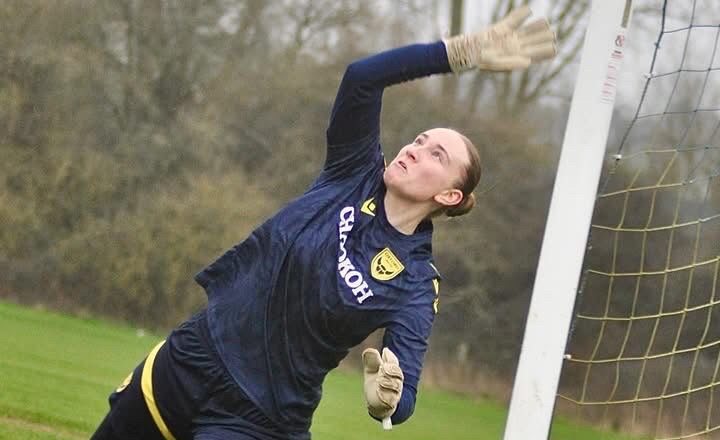
Former Arsenal academy and current Oxford United goalkeeper Maddison Millington-Stanbury talks about being autistic and how she’s looking to serve as a role model for other neurodivergent players in soccer.
Finally, the Chicago (Red) Stars have gotten approval from the Village of Bannockburn to build a training facility. Bannockburn is about 30 miles north of Chicago, which is much further than the team’s former stadium in Bridgeview (12 miles west) and the current stadium in Evanston (20 miles north).

Don’t ever let them tell you no one pays attention to women’s soccer.
If you have something that should be included in this segment, please reach out to me via bluesky or email me at [email protected].
